
Ambrose Early Years Education Conference is fast approaching, and this year’s theme is Hope, Reflection, and Connection.
Hope towards optimism and possibility, both in our work with children and families, and in our own professional development.
“In the heart of each person, hope dwells as the desire and expectation of good things to come, despite our not knowing what the future will bring.” Pope Francis
These words resonate in the context of early childhood education, where hope is foundational to our work with children, families, and colleagues. Hope aligns with the spirit of National Reconciliation Week, which calls us to “Bridge Now to Next,” building connections and laying the foundation for a future filled with understanding, healing, and shared growth. Hope to inspire positive change and deepen relationships for the benefit of all.
The Power of Connection in Early Childhood Education
Connection is not just about physical proximity, it is about creating relationships that are meaningful, intentional, and supportive. As we work with children, families, and colleagues, it is the relationships that we build and nurture that provide the foundation for learning and growth.
In her book “Culture of Agency: Fostering Engagement, Empowerment, Identity and Belonging in Early Years,” Lisa Burman writes:
“When adults have a strong sense of ourselves in a group…we are more likely to use our agency to fully participate. The same can be said for children. Trust builds the security they need to feel safe to initiate their learning… This creates an emotionally safe environment where children’s agentive drive takes full flight.”
In the context of early childhood, connection is key to creating an environment where both adults and children feel empowered, safe, and inspired to engage in meaningful learning experiences.
Reflection as a Path to Excellence
Critical Reflection is central to the concept of Exceeding themes within the National Quality Framework. Reflection allows educators to deepen their practice, examine their own biases, and engage in continuous improvement. When we reflect, we open ourselves to new ideas and practices, and ultimately, to better supporting the children we work with.
Carla Rinaldi, quoted in Edwards, Gandini, and Foman (1993), challenges us to see ourselves as researchers, saying: “When teachers make listening and documentation central to their practice, they transform themselves into researchers… Only searching and researching are guaranteed to lead us to that which is new, that which moves us forward.”
It is through this process that we continually grow, discovering innovative ways to support children’s development. Reflection is not just about looking back—it is a forward-looking process that shapes the way we approach our work, refine our practices, and create environments of hope, trust, and connection.
Hope calls us to embrace an attitude of optimism and possibility, both in our work with children and in our own professional development. When we build strong, trusting connections with those around us, we create a space where learning, growth, and hope can flourish. And through reflection, we continue to grow in our practice, ensuring that we are always moving forward in ways that benefit the children, families, and communities we serve.

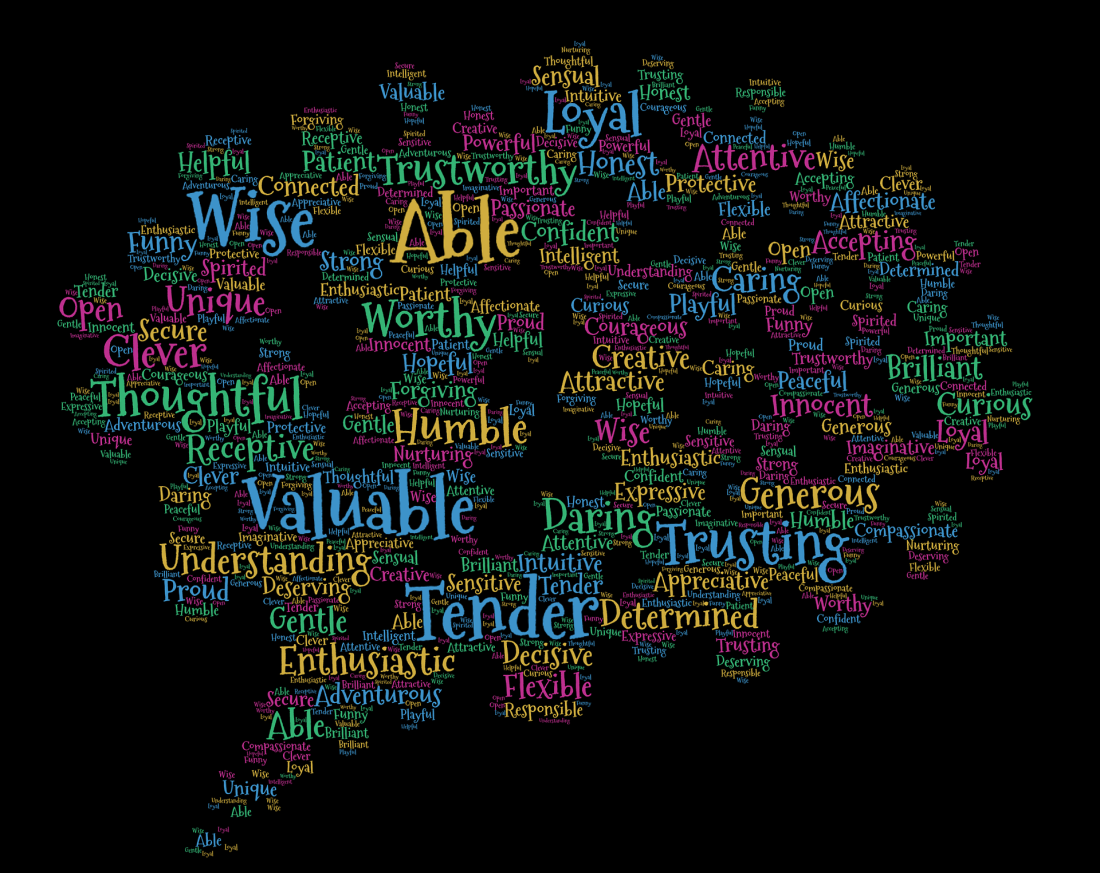


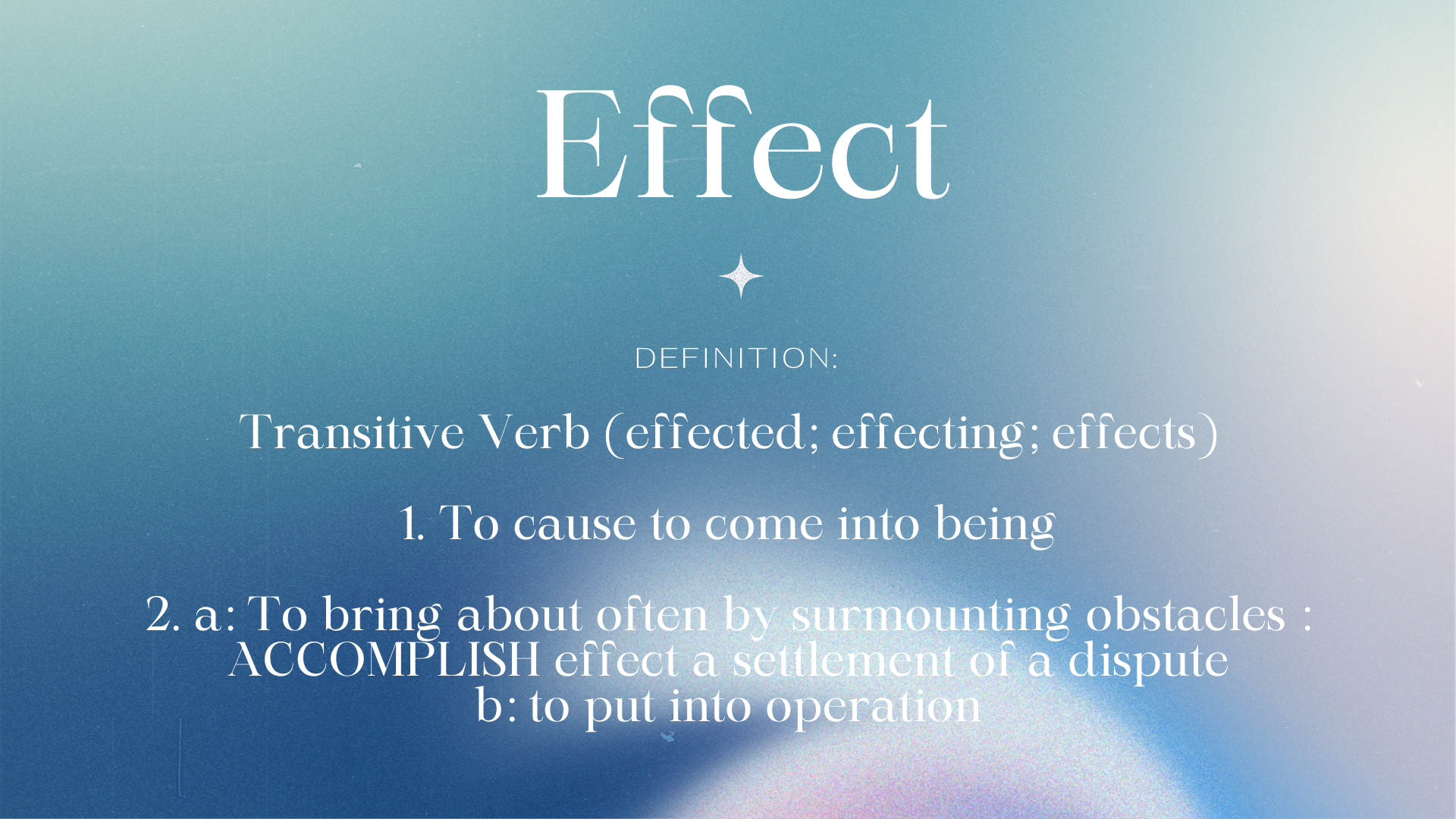 “Effect” Definition Meriam Webster Online Dictionary.



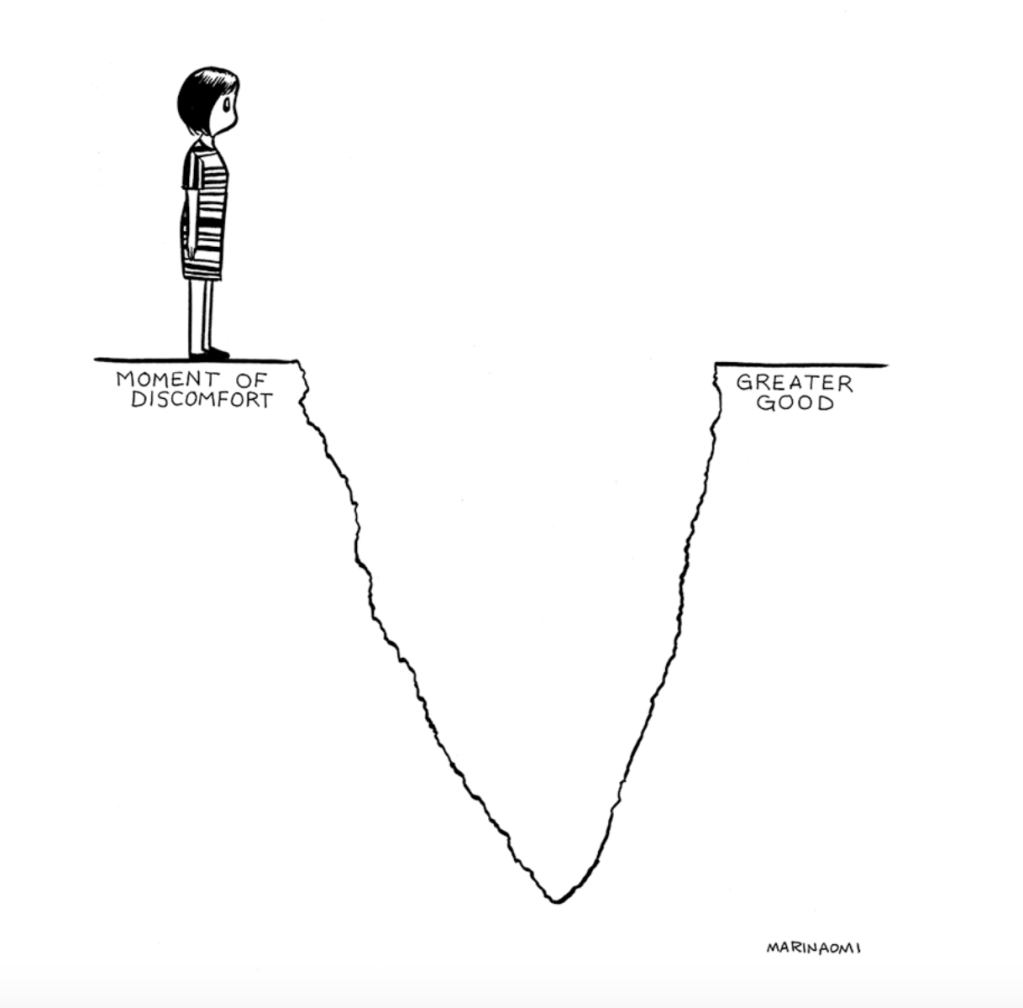
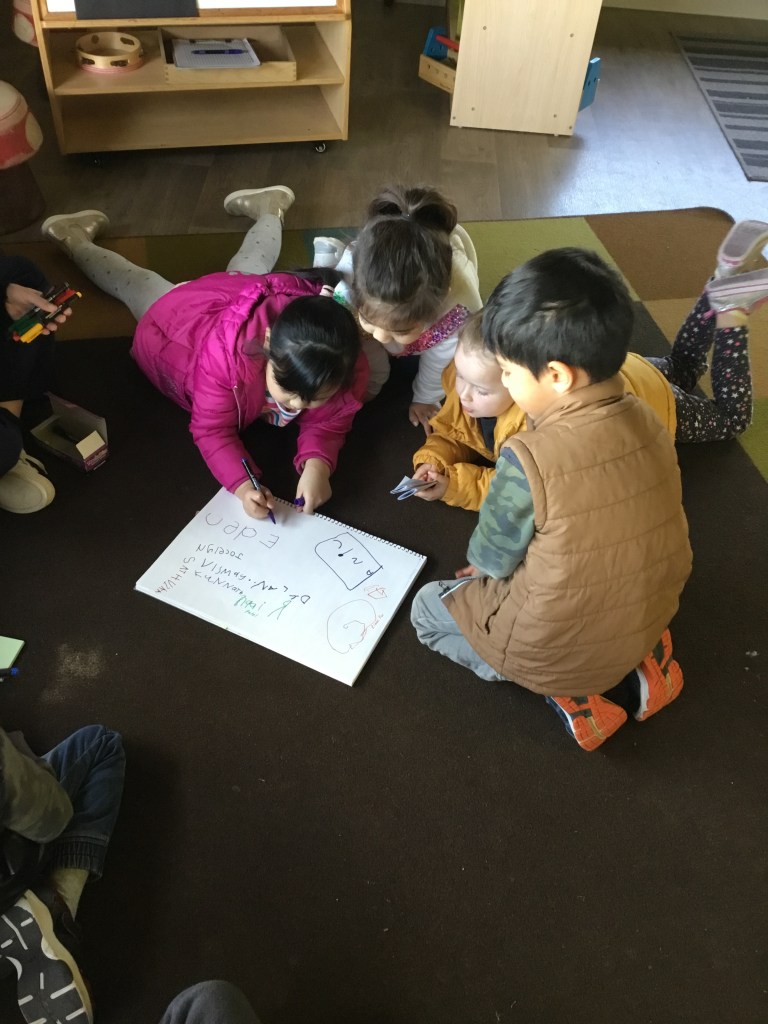
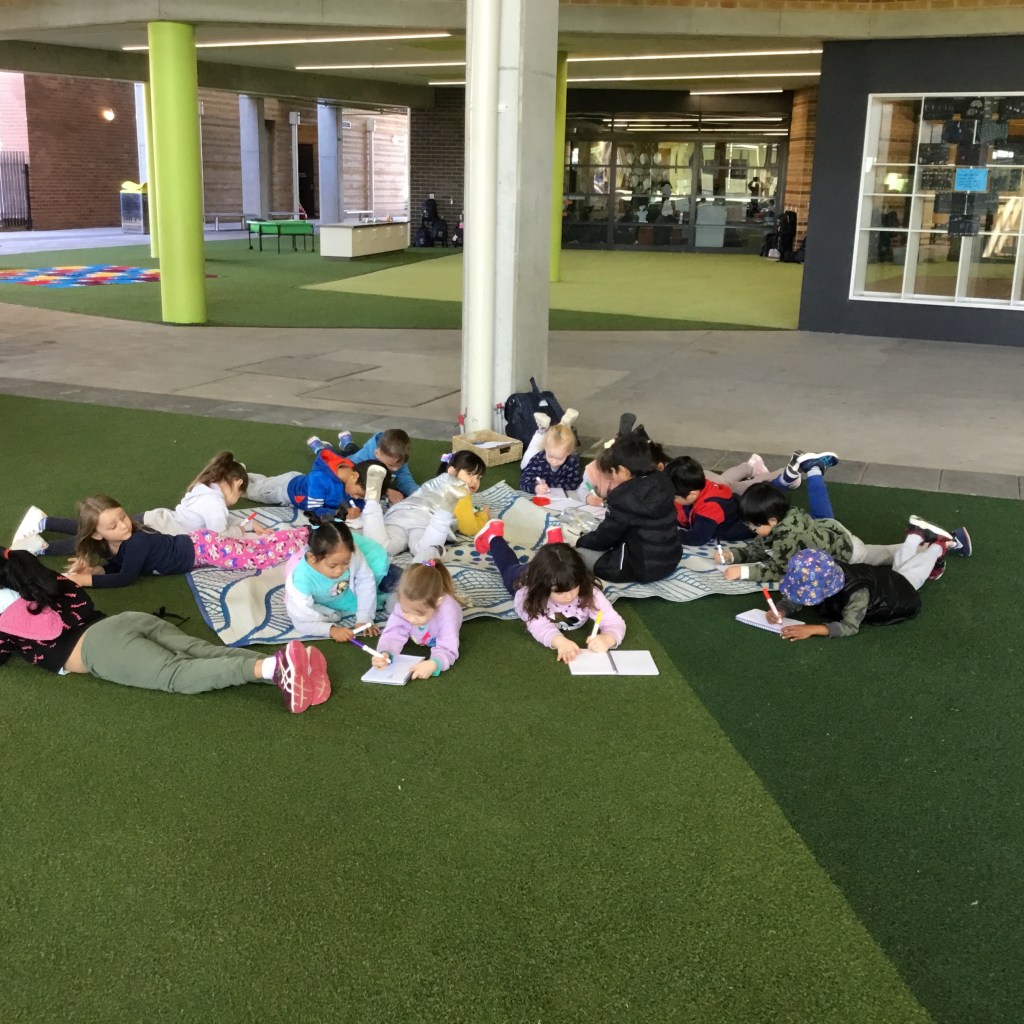
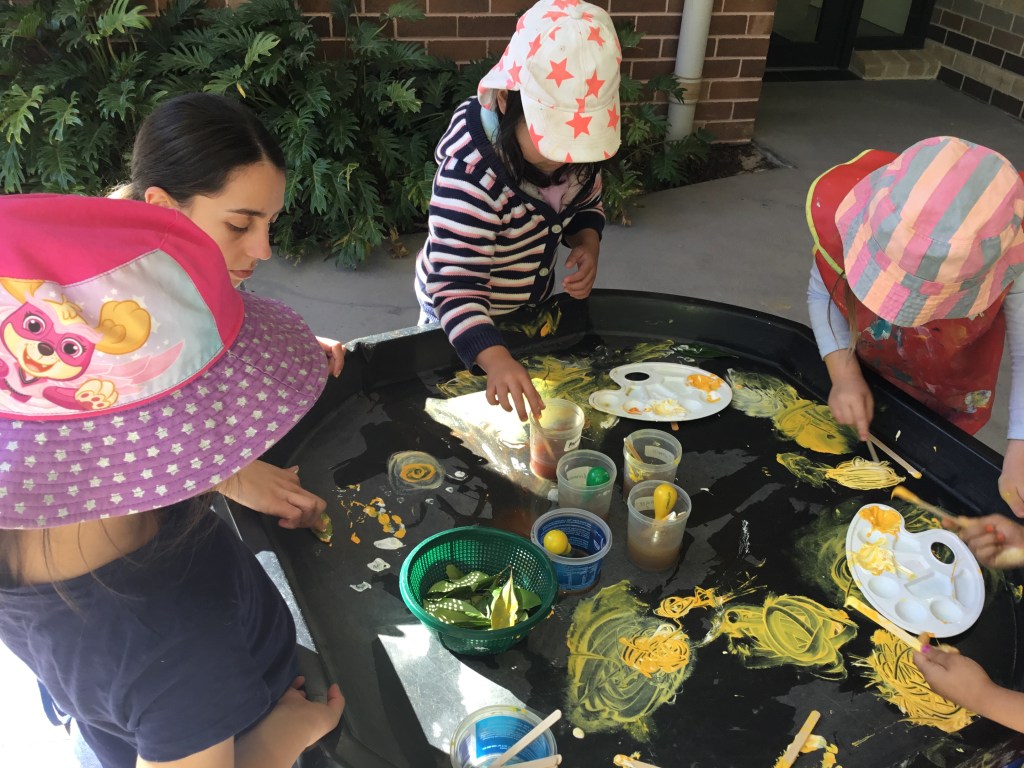
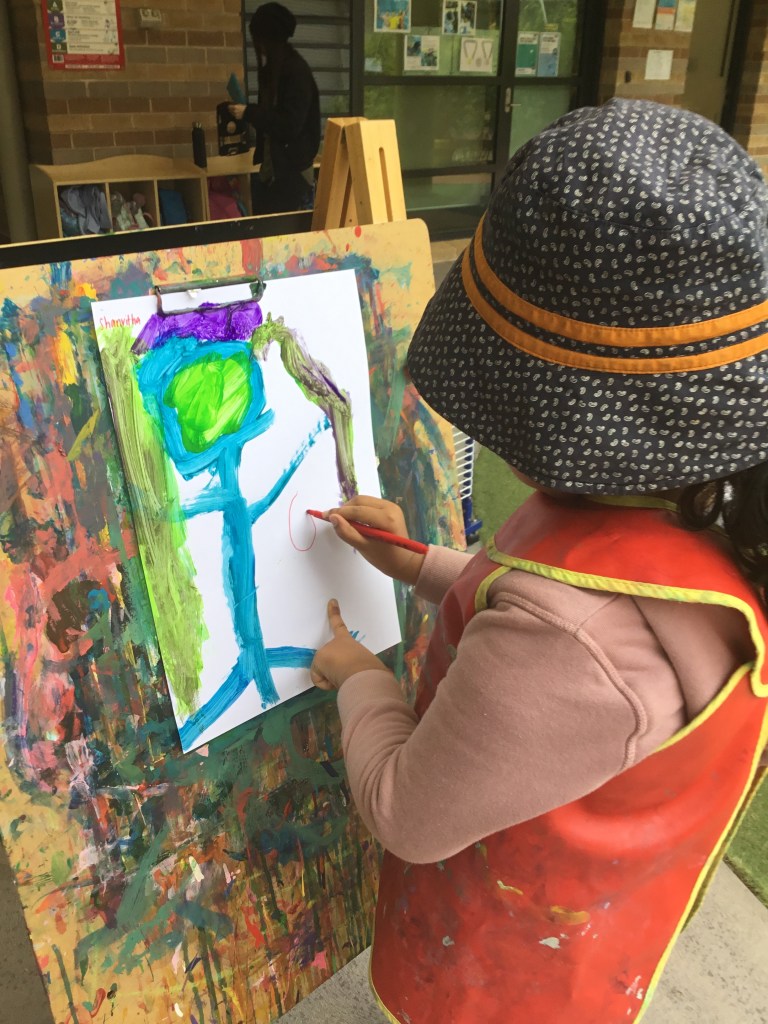


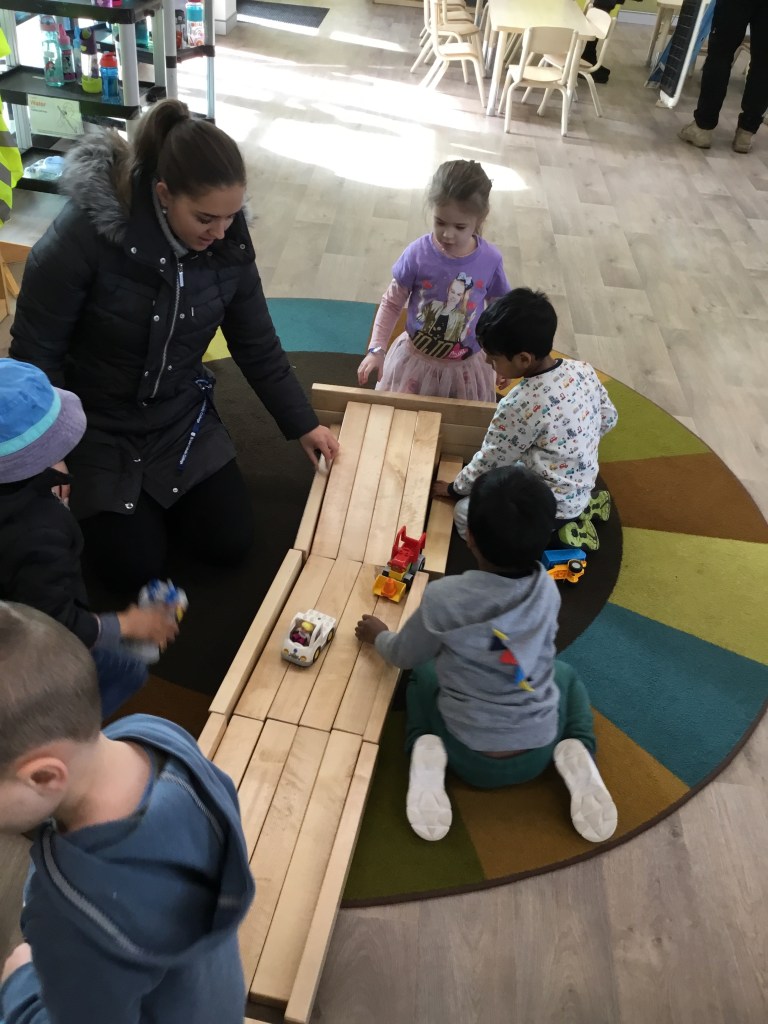
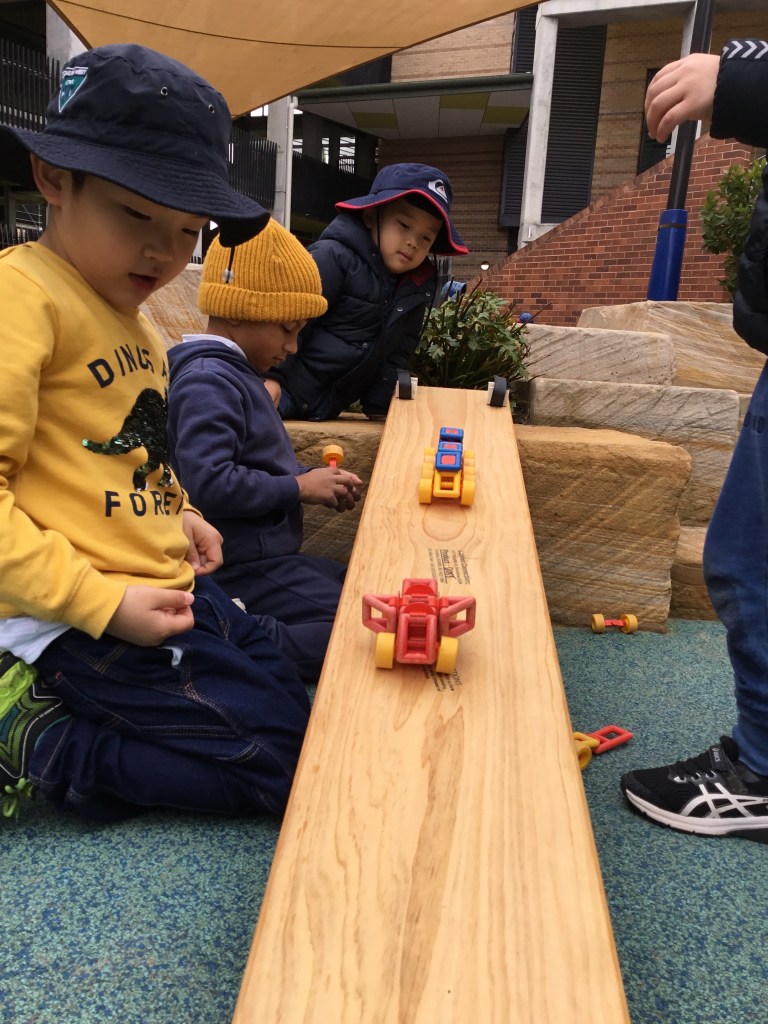



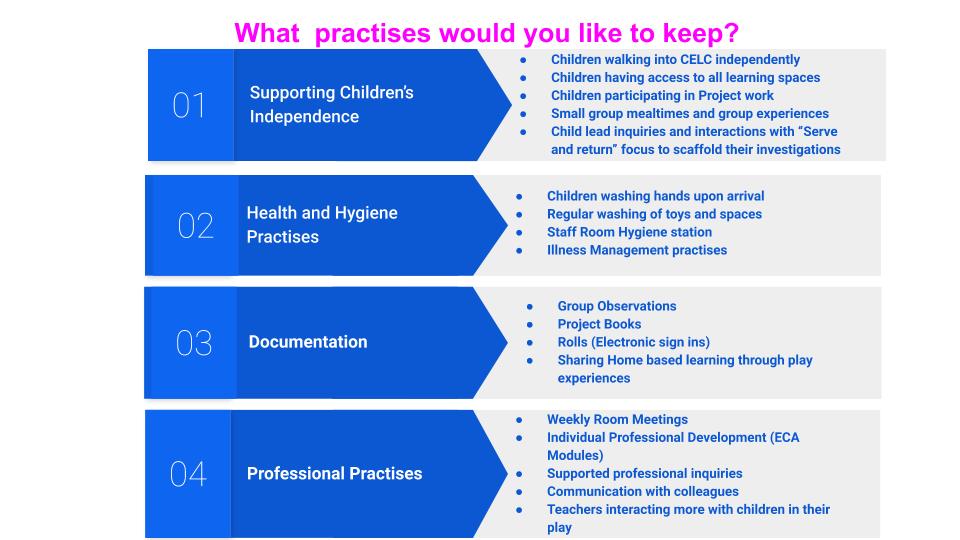
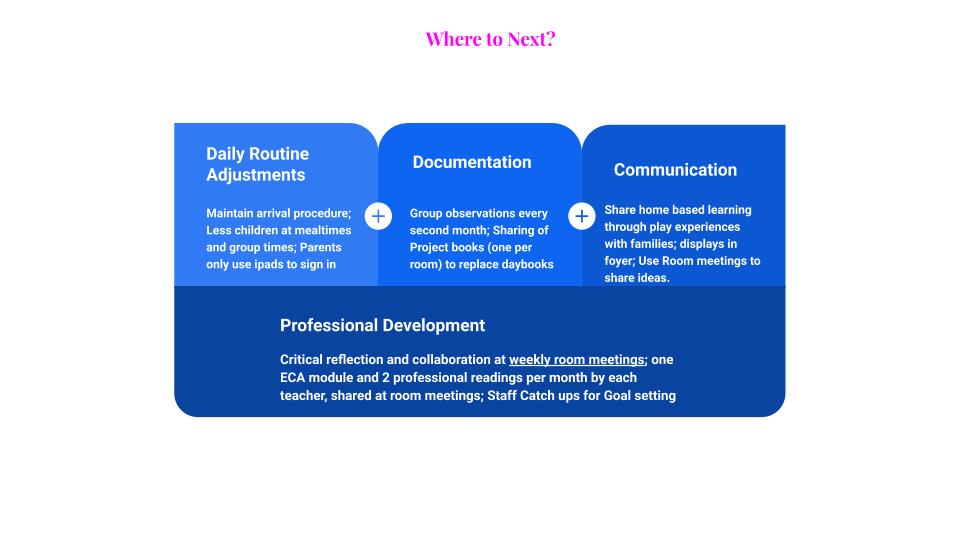 In conclusion, I am sharing a quote from Loris Malaguzzi when describing the role of the teacher and their impact on children’s trajectories. It is a reminder of our important role as we continue to critically reflect on our practises in response to our ever changing contexts.
 Navigating the journey